
Exercise your mind the way you exercise your body
A collection of exercises across ten cognitive domains — memory, attention, processing speed, reasoning and more. Every game is modeled on a task type studied in peer-reviewed clinical research, and adapts to keep each session challenging but fair.
✨ Free to use until November 1, 2026
Mind Sage is a cognitive exercise program for adults 50 and older, designed by a neurologist who has spent more than 20 years caring for people with memory disorders.
Every Mind Sage exercise is modeled on a cognitive paradigm from the peer-reviewed literature. We start from the task types researchers use to study memory, attention, and processing speed — and turn each one into an exercise that's calm, clear, and genuinely engaging.
What each game trains, at a glance.
15 games across 10 cognitive domains — each grounded in peer-reviewed research, each chosen by a neurologist who works with this population.
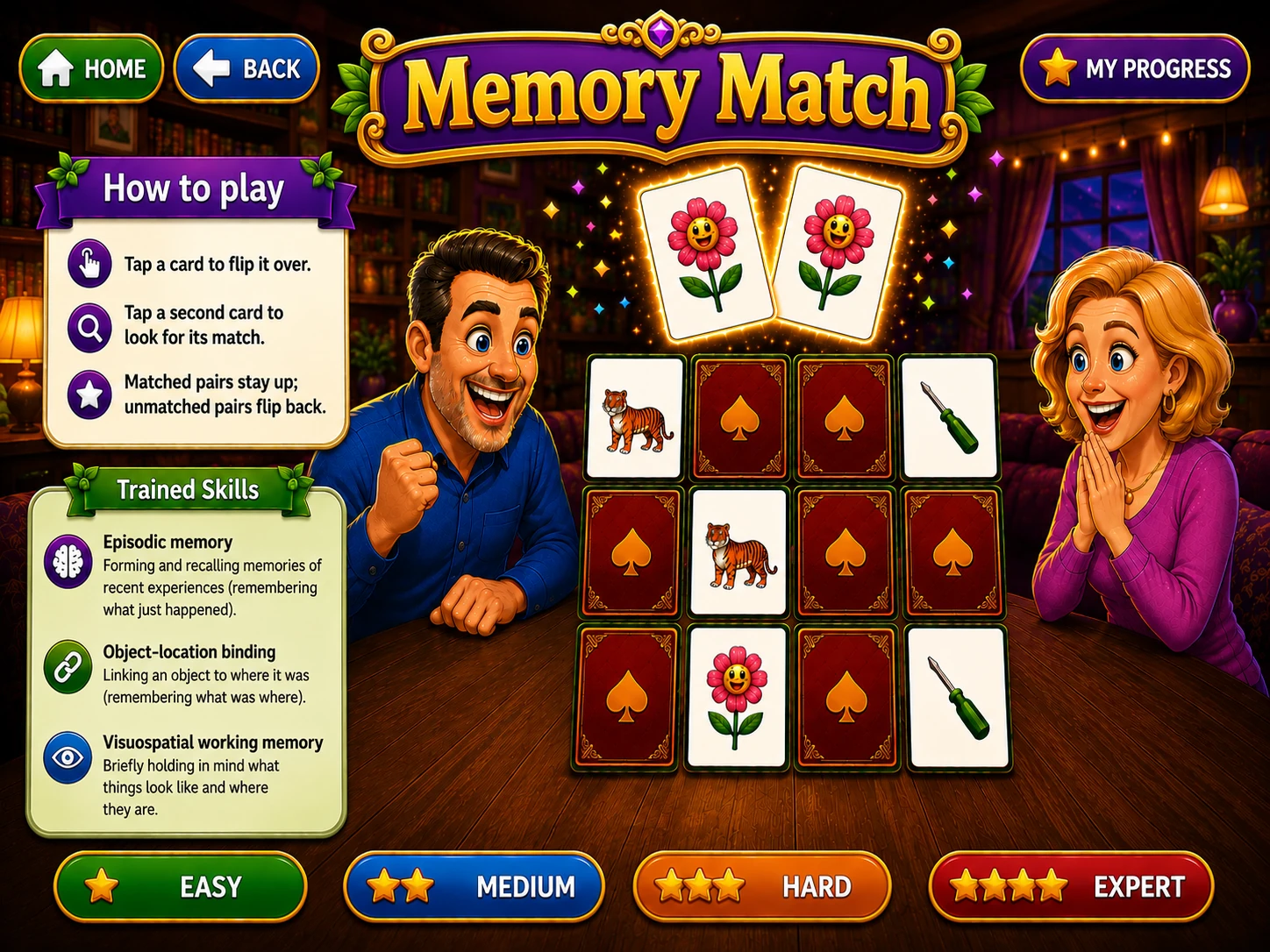
Memory Match
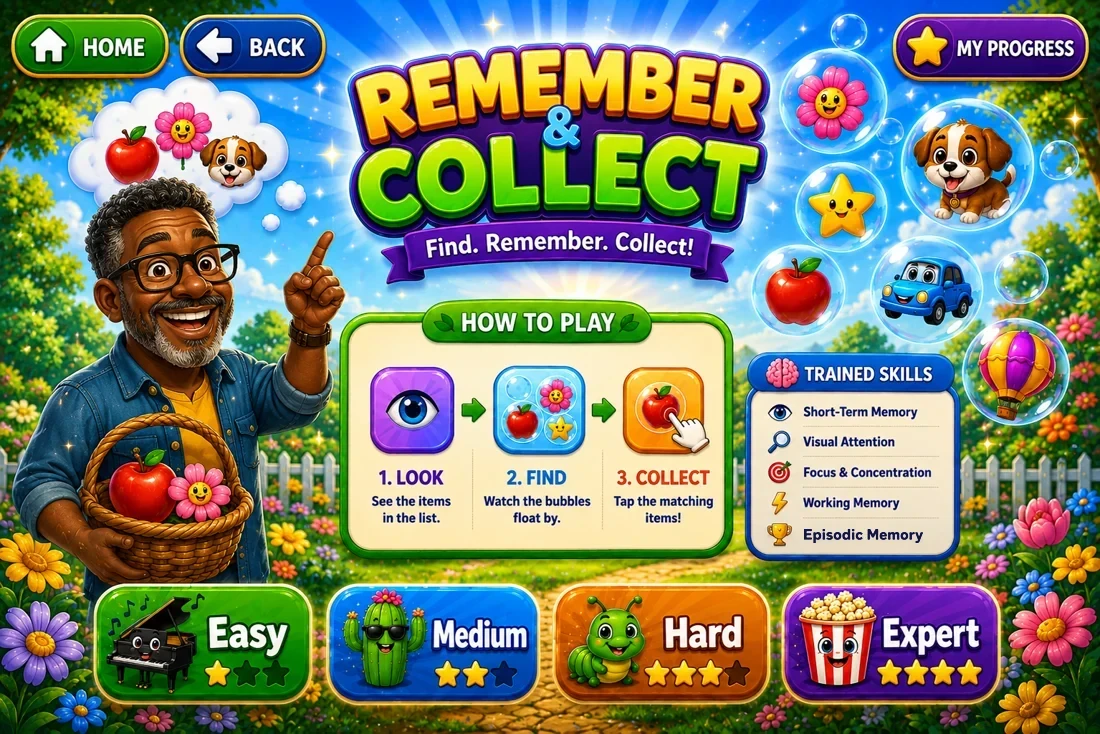
Remember & Collect
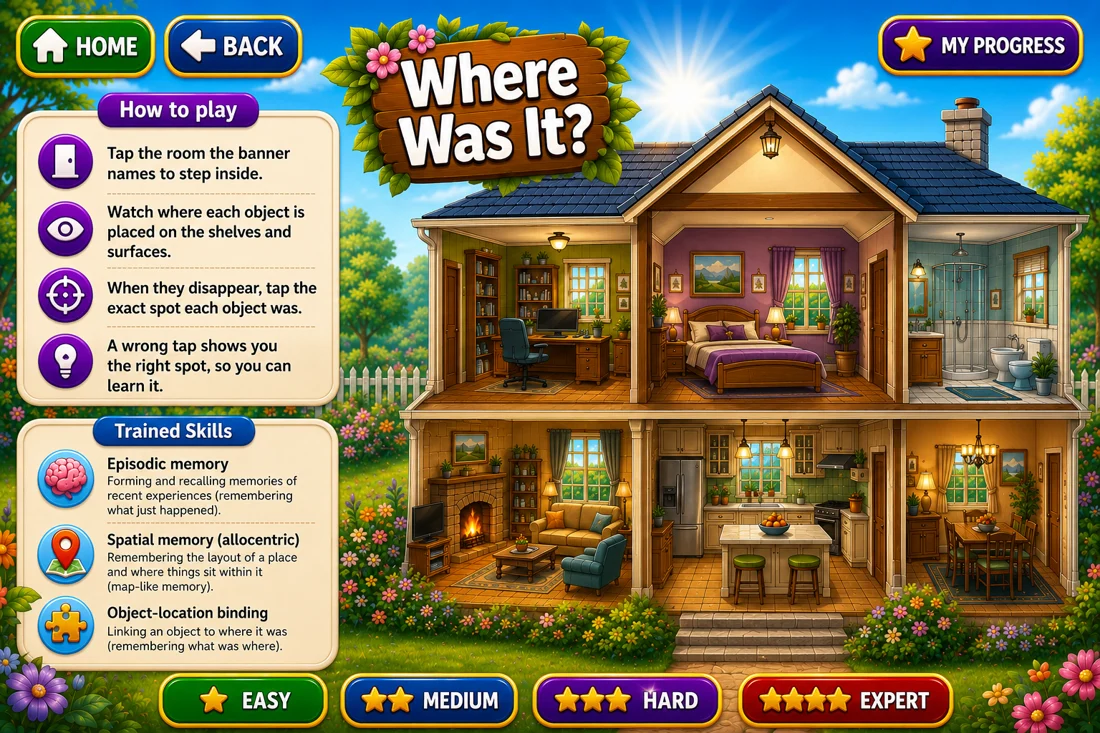
Where Was It?
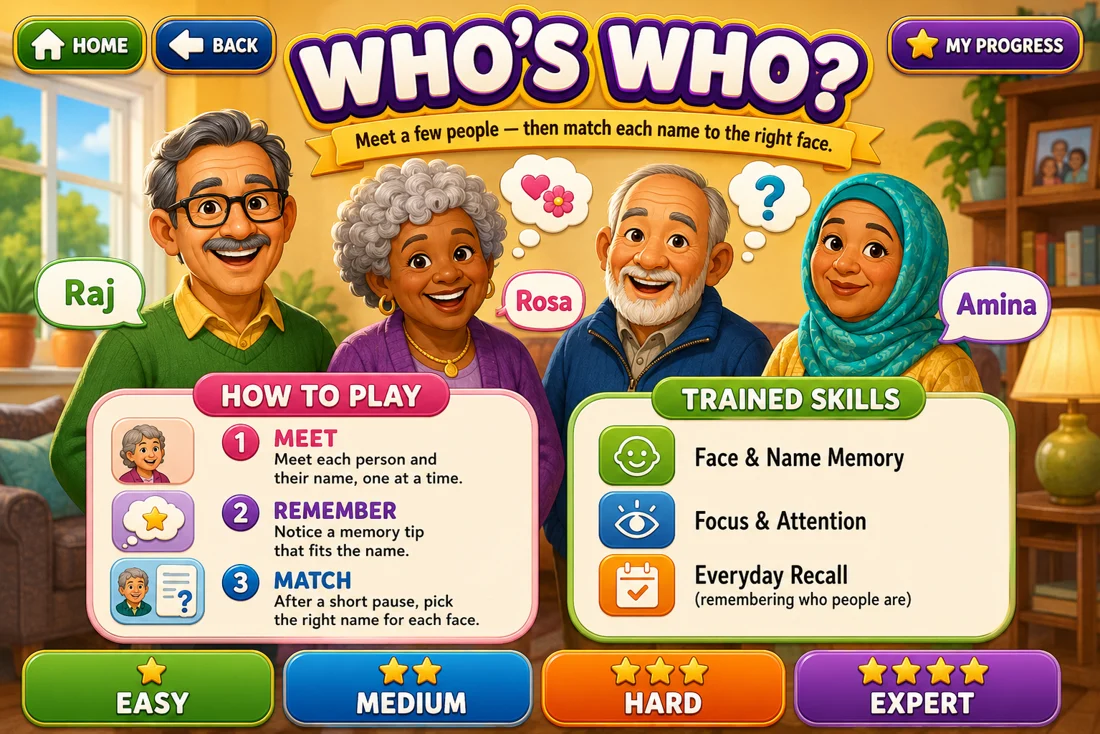
Who's Who?
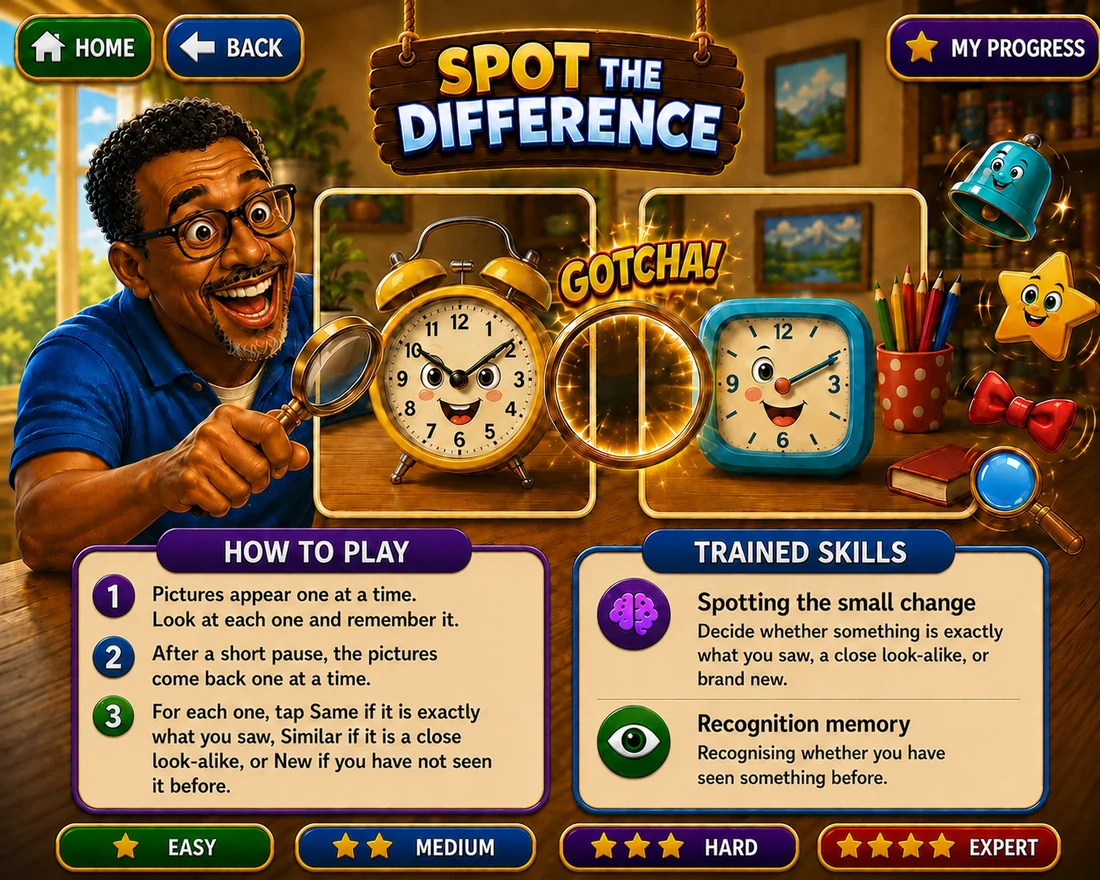
Spot the Difference
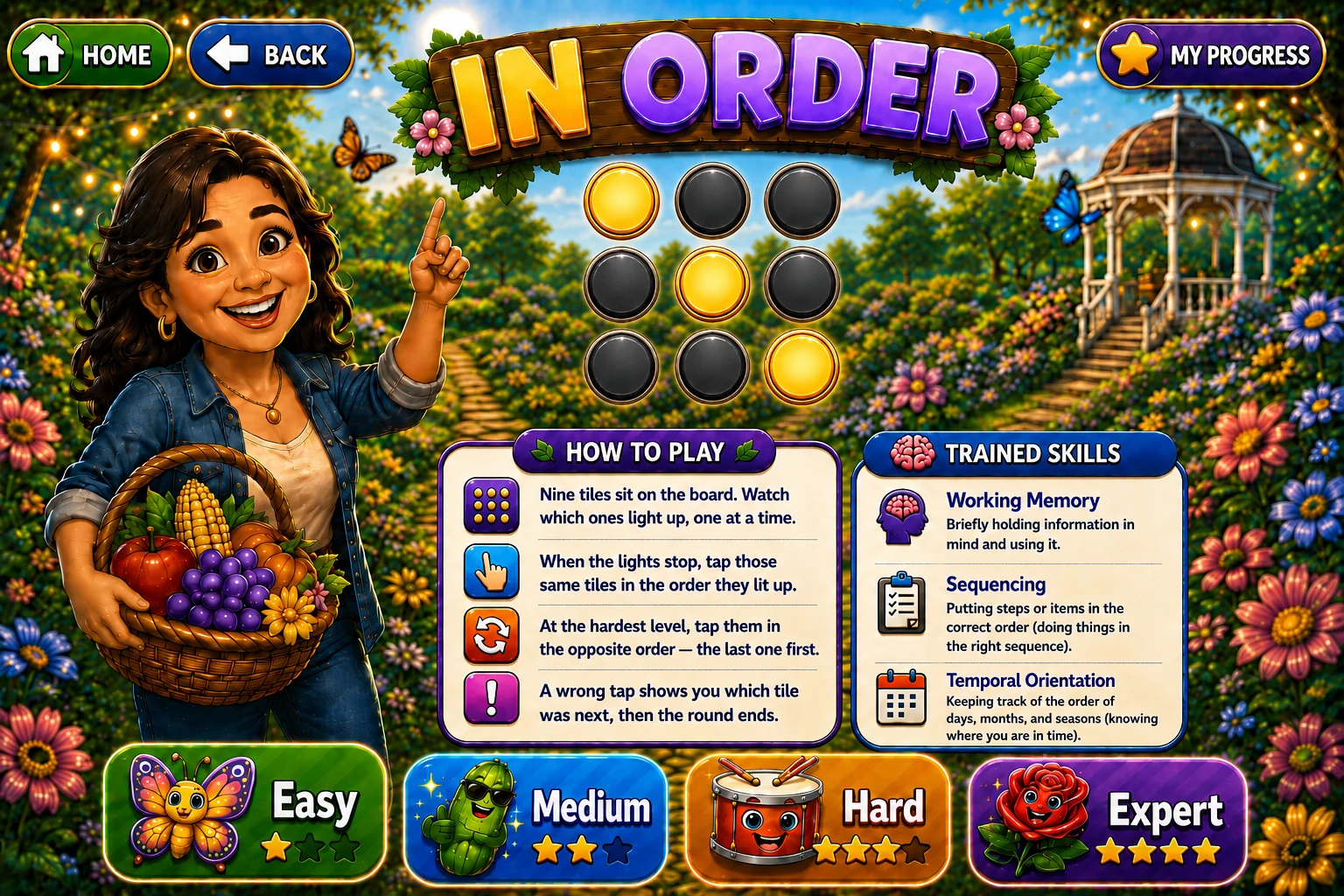
In Order
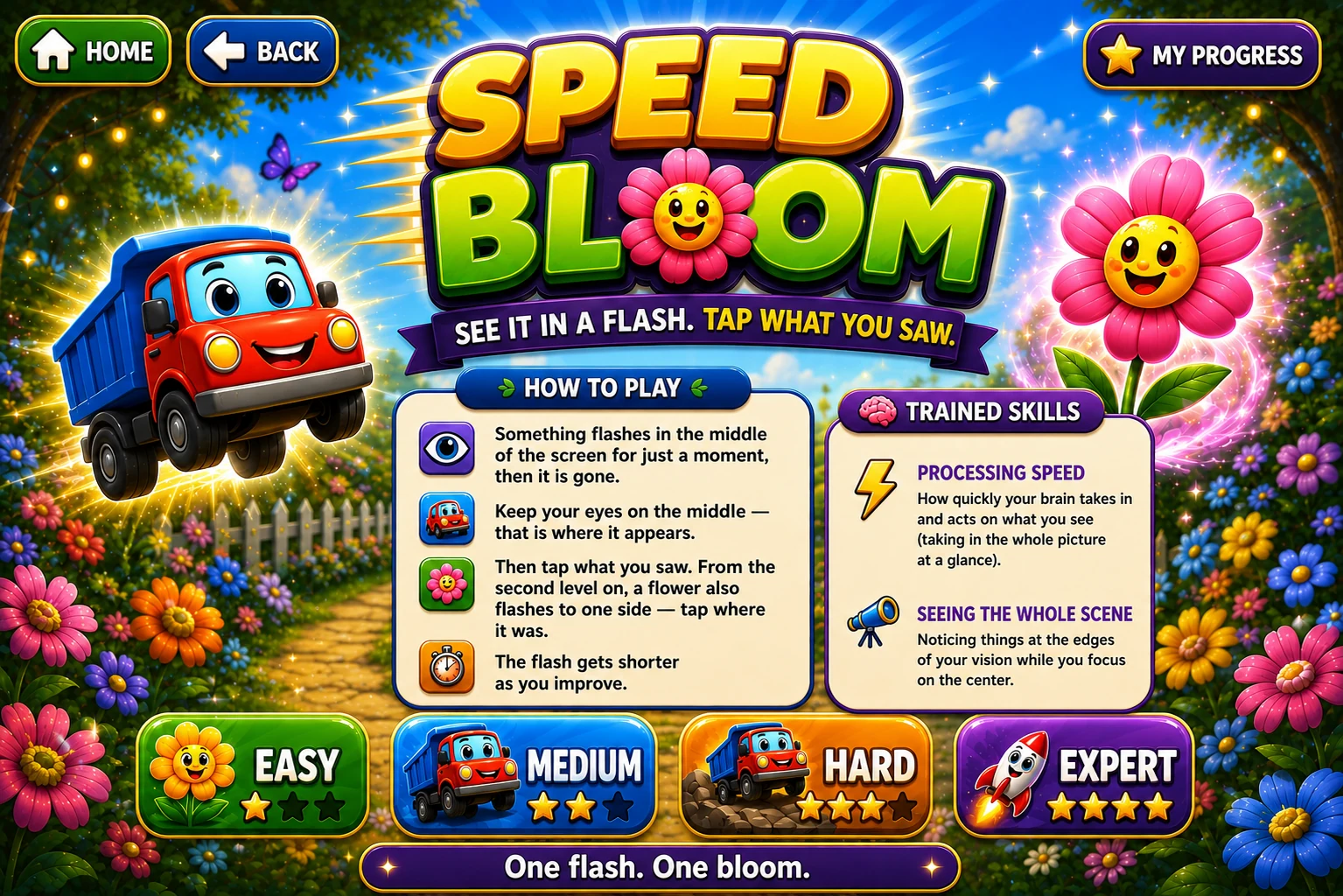
Speed Bloom
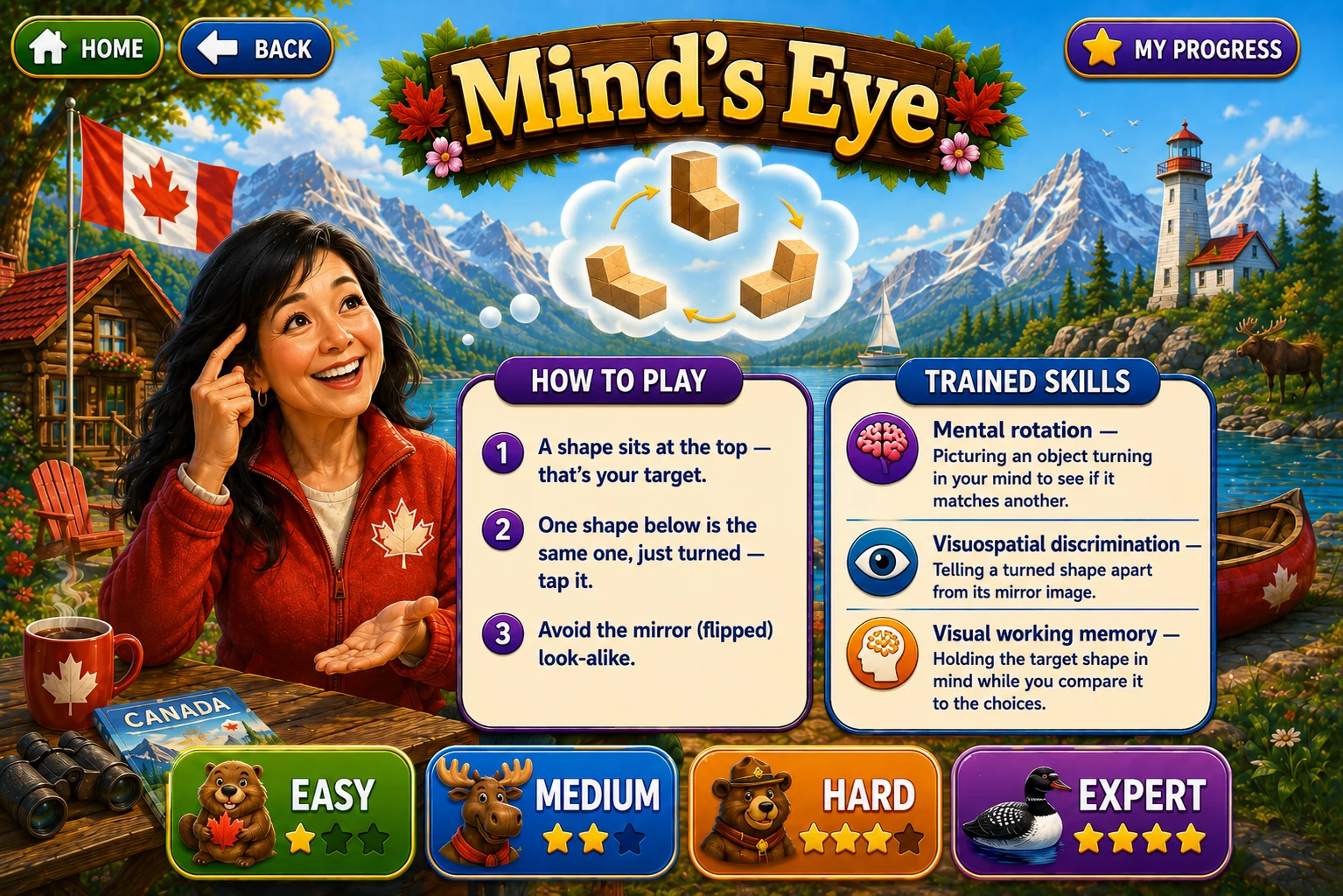
Mind's Eye
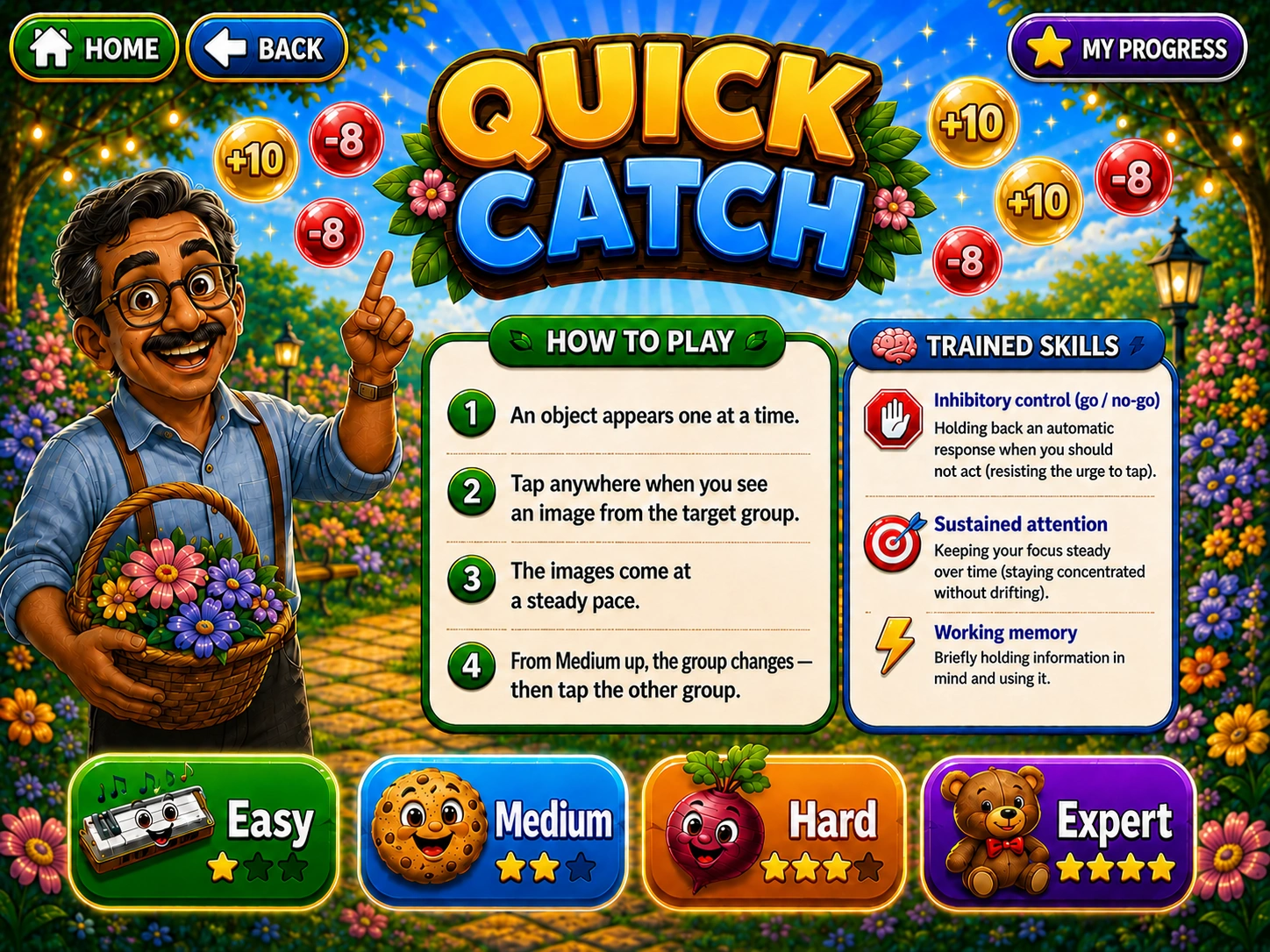
Quick Catch
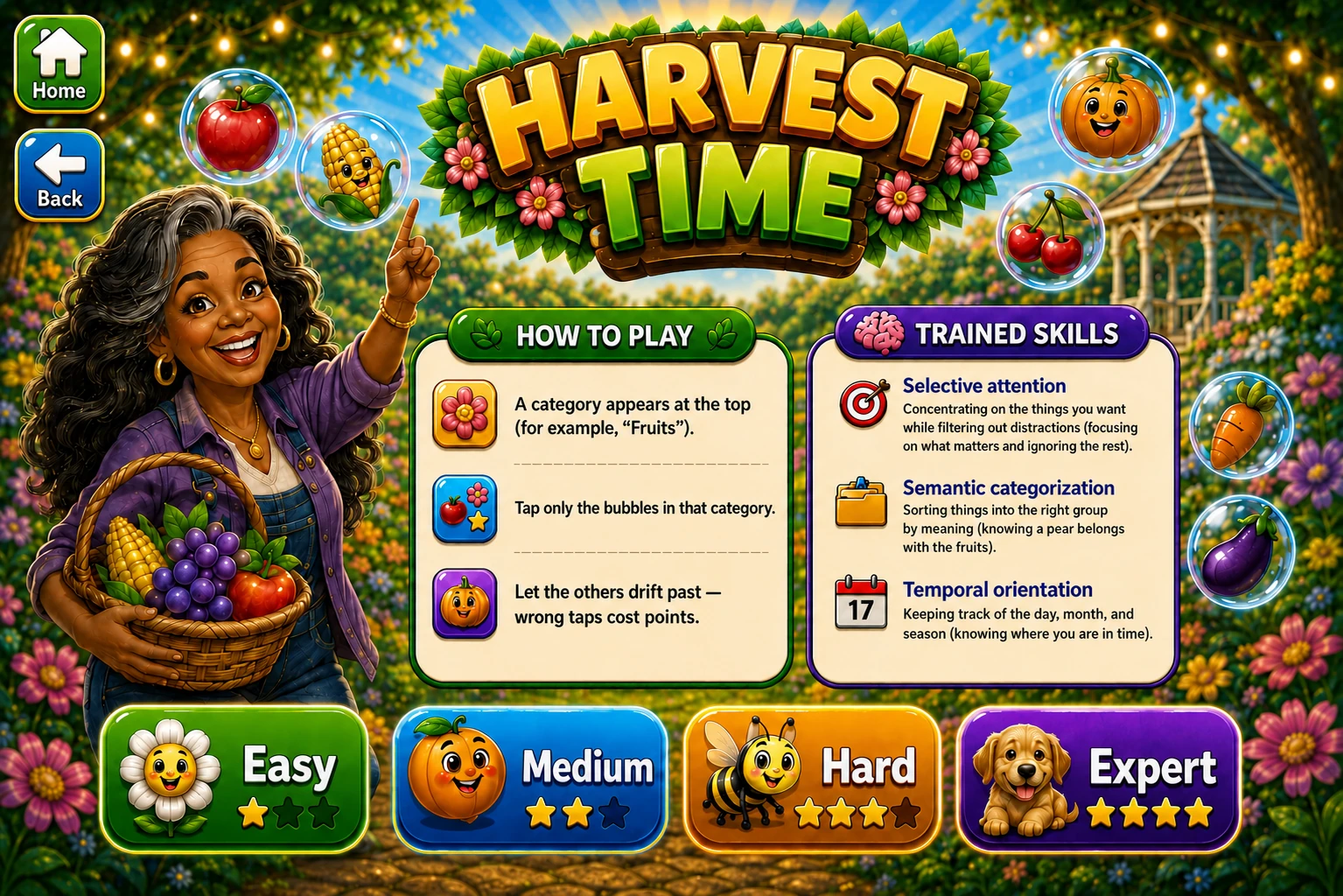
Harvest Time
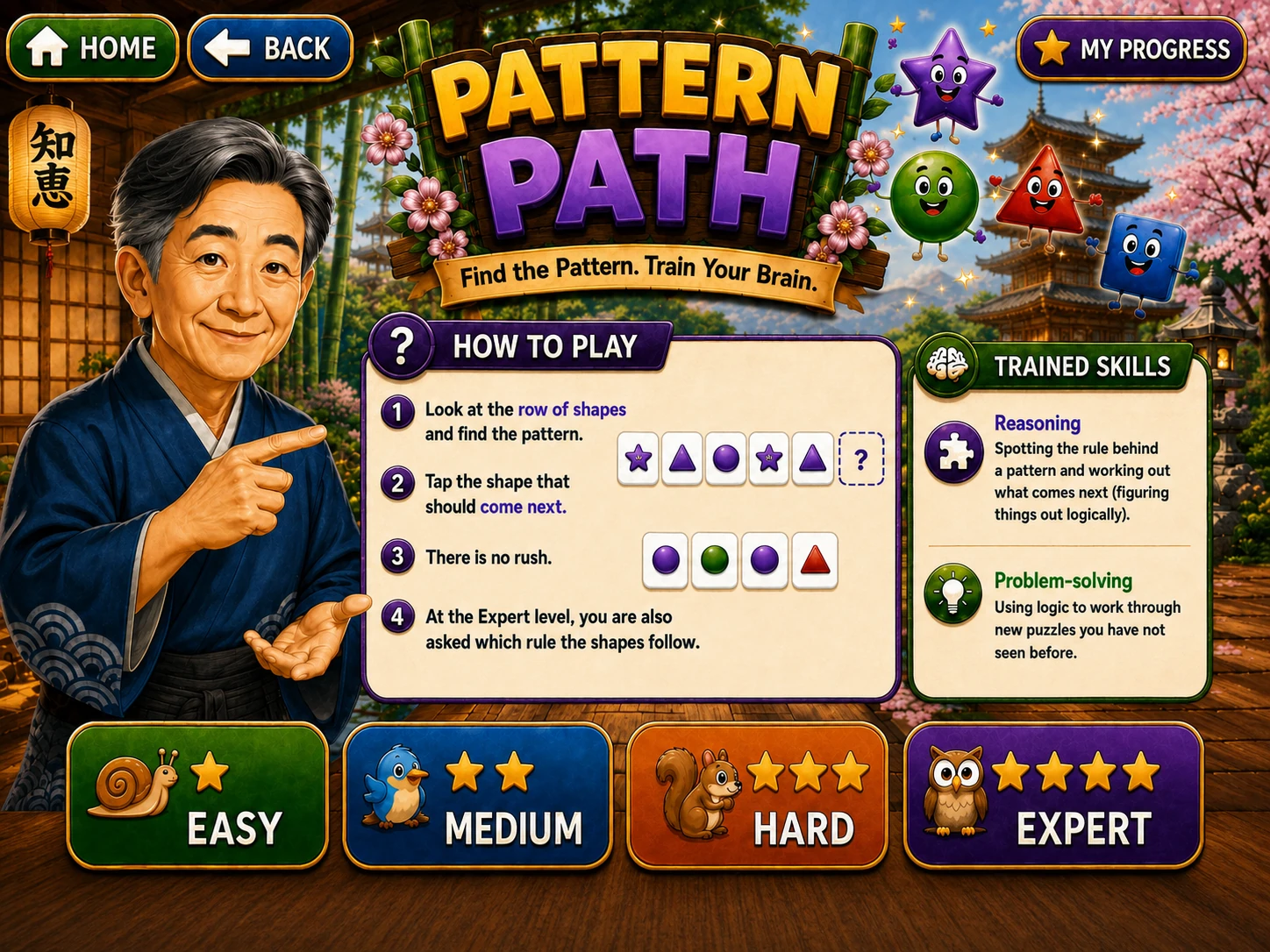
Pattern Path
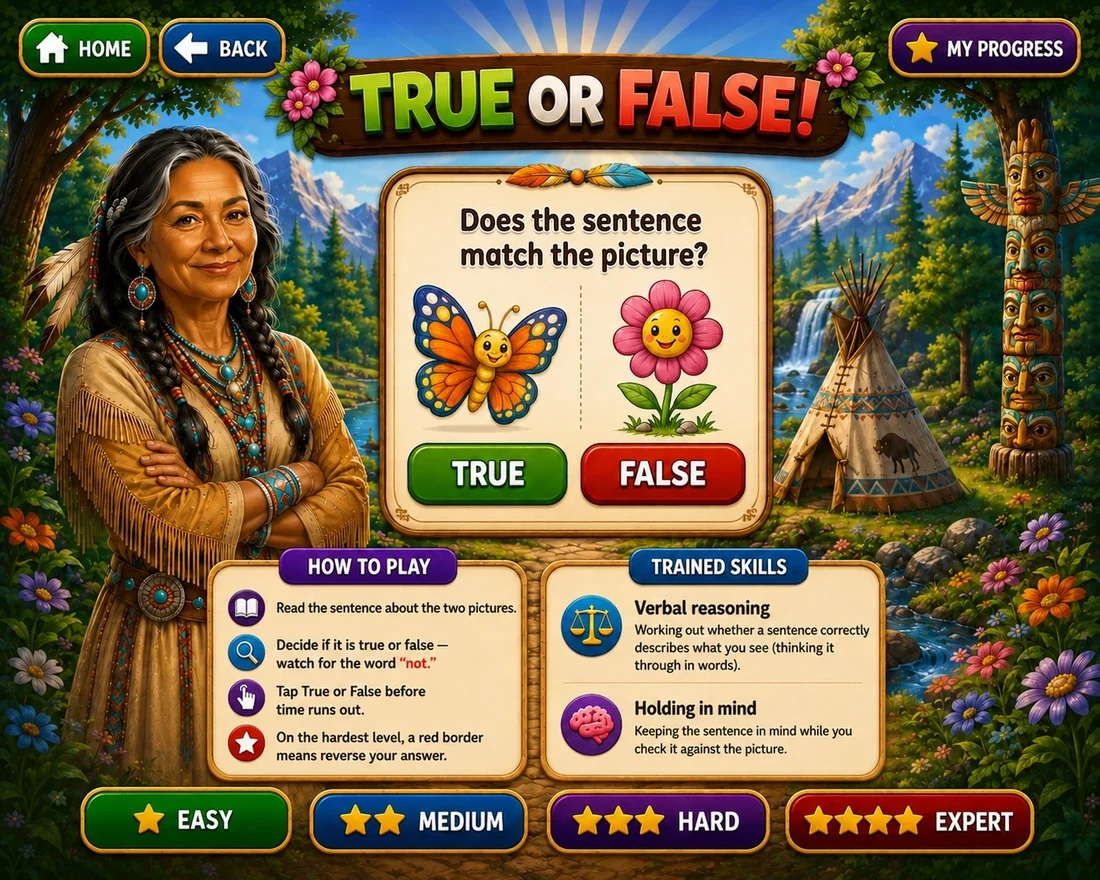
True or False
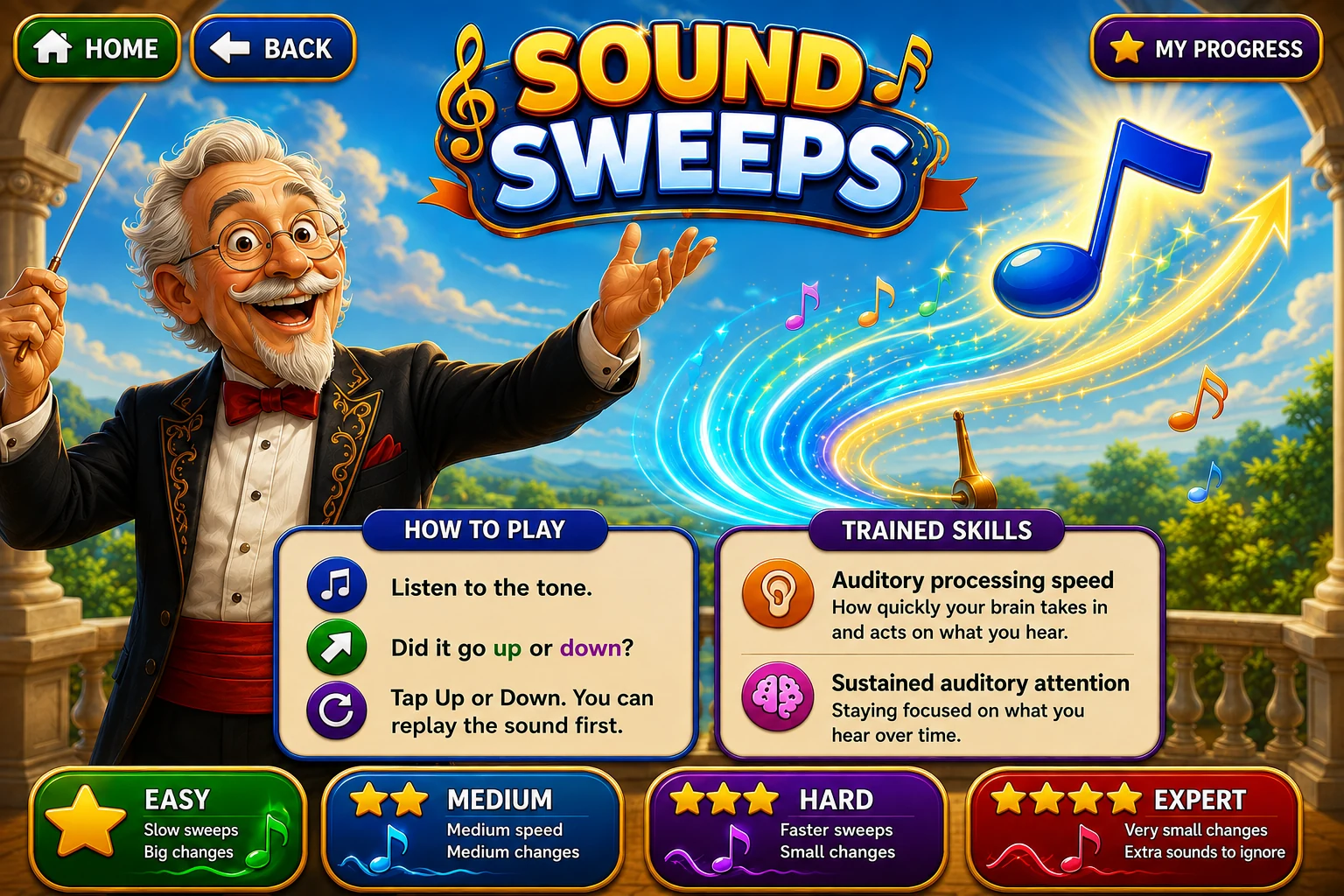
Sound Sweeps
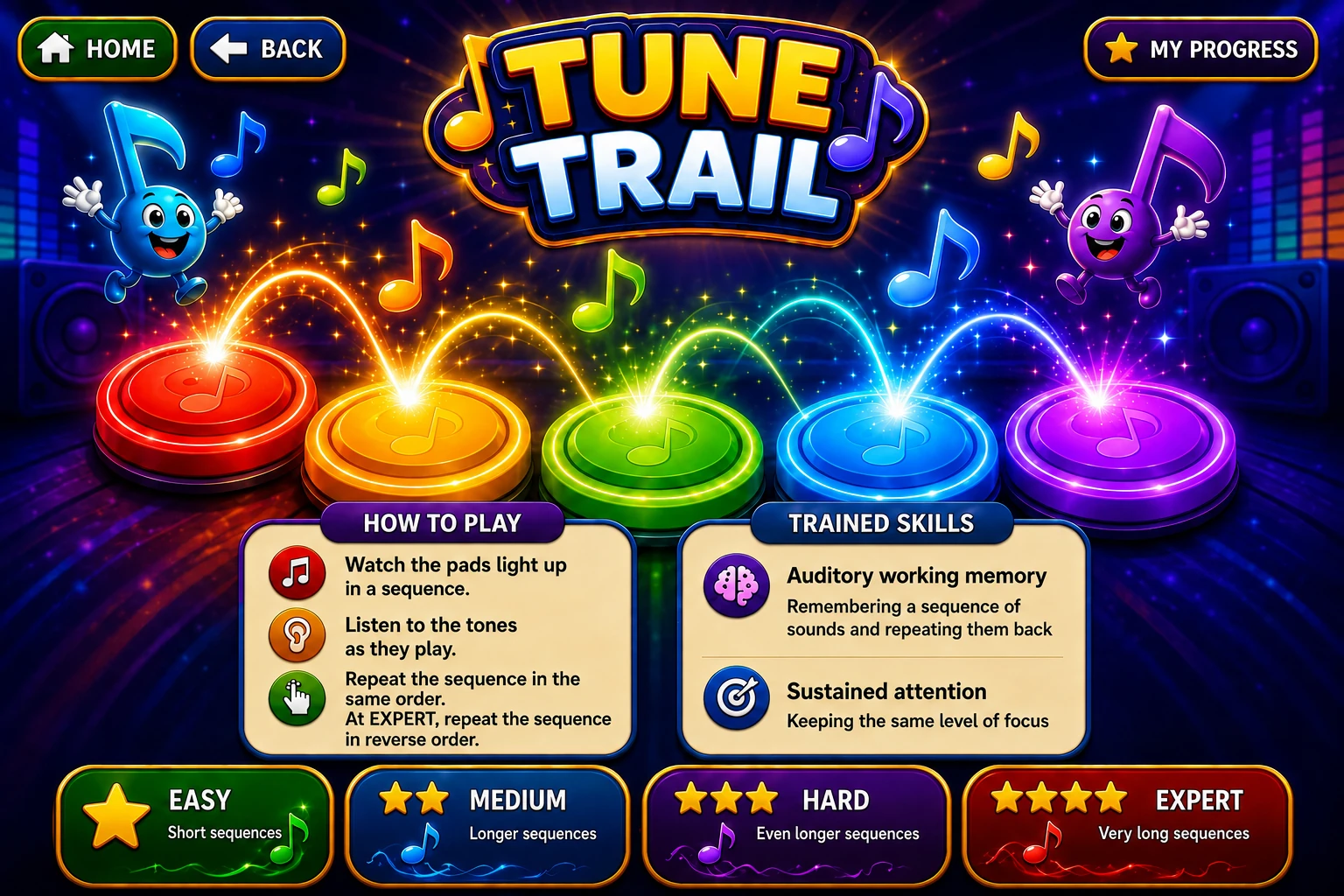
Tune Trail
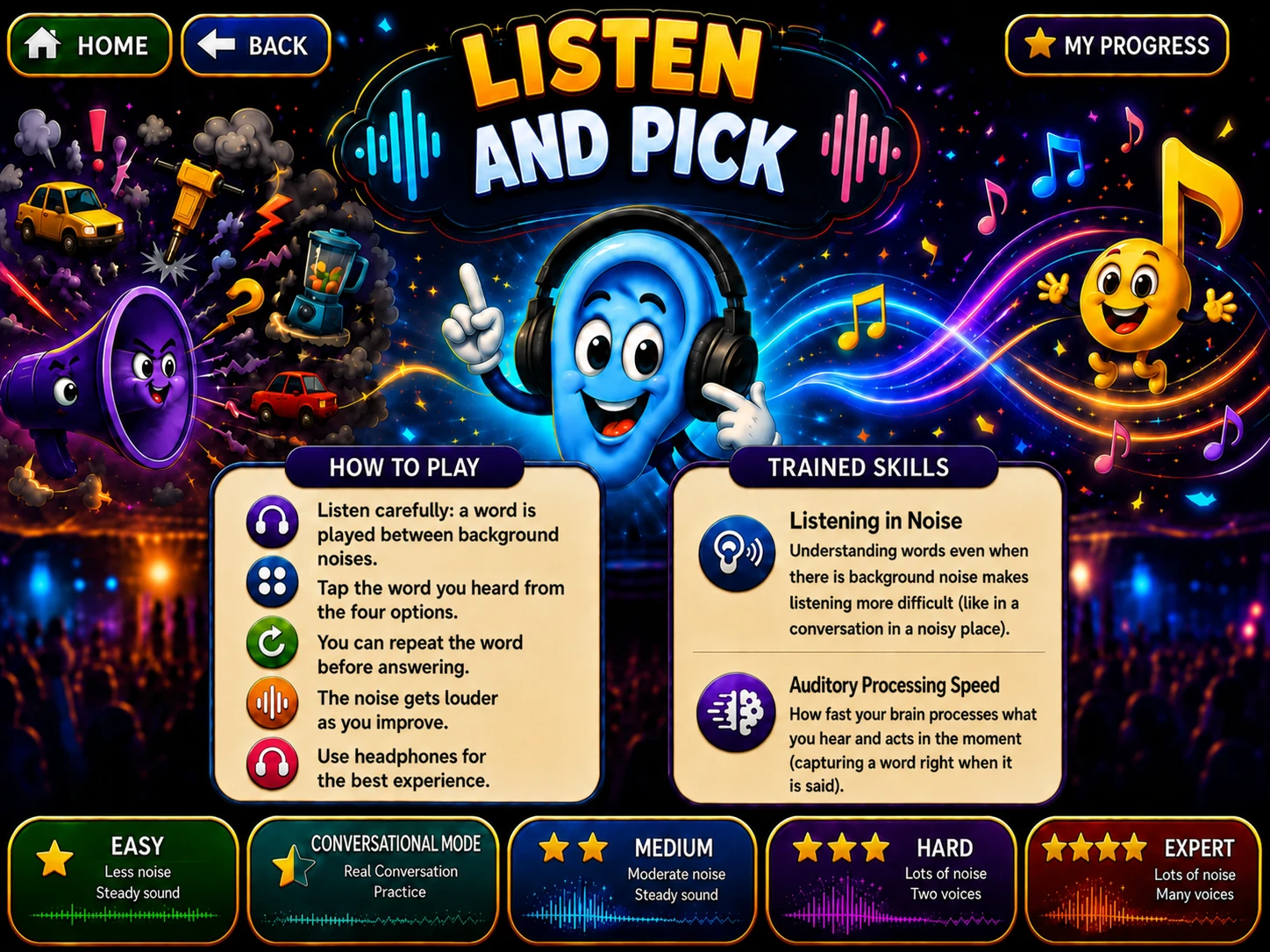
Listen & Pick
| Game | Domain | What it trains | Cognitive skills |
|---|---|---|---|
| 🧠 Memory | |||
| Memory Match Find the pairs | Memory (recognition) | Flip cards two at a time and find every matching pair. Remembering where you saw a card is the part that gets easier with practice. | Visual memory Location tracking |
| Remember & Collect Remember and find | Memory (episodic / recognition) | Study items while doing another task — then recall whether each is exactly the same, only similar, or completely new. | Episodic memory Memory discrimination |
| Where Was It? Where things are | Memory (visuospatial binding) | Objects appear in different rooms. Remember exactly where each was placed — the everyday skill behind finding keys, glasses, and phones. | Spatial memory Object-location |
| Who's Who? Faces and names | Memory (associative) | Learn a name and a fact about each face. Then a short filled pause — you do something else before the names come back, so you have to retrieve them rather than hold them. At the first two levels, a memory tip points out a feature that fits the name. | Associative memory Face recognition |
| ⚡ Attention, Working Memory & Reasoning | |||
| Harvest Time Focus and sort | Attention (selective) | Tap items belonging to the target category as they float past. Four modes — pictures through words — with increasing distractor difficulty. | Selective attention Semantic categorization |
| Quick Catch Stop and go | Attention / executive (inhibition) | Tap your target every time it appears and hold back when it doesn’t. | Inhibitory control Sustained attention |
| In Order In the right order | Working memory | Watch a sequence of tiles light up, then tap them back in the same order — or in reverse at the hardest level. | Working memory Spatial sequence |
| Pattern Path Find the pattern | Reasoning / executive function | Find the rule connecting a row of shapes and choose what comes next. | Inductive reasoning Executive function |
| True or False True or false | Visuospatial | A statement appears about two pictured objects — decide whether it matches what you see. | Spatial relations Visuospatial reasoning |
| 👁️ Processing Speed & Visuospatial | |||
| Speed Bloom Quick spotting | Processing speed / attention | A quick flash shows something in the center — identify it before it disappears. From the second level on, a flower also flashes to one side. | Processing speed Divided attention |
| Mind's Eye Picture it turning | Visuospatial | A shape appears — then four rotated versions. Tap the one that matches — the same shape turned, never its mirror image. | 2D mental rotation Visuospatial reasoning |
| Spot the Difference Spot the change | Perceptual / recognition memory | Decide whether each item is the exact same one you saw, only similar, or completely new. | Visual recognition Perceptual discrimination |
| 🎧 Auditory Training | |||
| Sound Sweeps Rising and falling sounds | Auditory processing | A brief sound sweeps up or down in pitch — decide which direction. | Auditory processing Temporal acuity |
| Tune Trail Play it back | Auditory working memory | Each tile has its own tone — listen to the sequence, then tap the tiles back in order. Expert level adds reverse recall. | Auditory memory Sequence recall |
| Listen & Pick Listen and choose | Auditory / language (practice) | Hear a word in background noise and tap which one you heard from four choices. Noise rises as you improve. | Word recognition Listening practice |
Grounded in the research literature — honestly.
Every exercise has a published source
Every Mind Sage exercise is modeled on a cognitive paradigm from the peer-reviewed literature. Primary-source citations for each are documented in the in-app reference guide.
Careful about what we claim
Mind Sage describes the pedigree of each task, never a promised result for you. It's a wellness product built around published paradigms — it has not itself been tested in a clinical trial, and it does not diagnose, treat, or measure cognition. We think saying so plainly is a feature, not fine print.
Adaptive by design
An adaptive-difficulty engine tunes each exercise trial-by-trial to your personal limit — challenging but fair, never a dead end. Every wrong answer shows the correct one.
Calm & accessible
Large touch targets, readable type, no flashing, and no fail states. Designed with older adults in mind, including those with mild cognitive concerns.
Part of a brain-healthy routine
Alongside diet, exercise, sleep, and social connection.
A calm routine, all in one place.
Mind Sage is built around a daily habit. Alongside the games you get gentle ways to stay engaged, keep on track, and bring the people who care about you along.
See your progress
A calm garden view of your activity — the days you played, your current streak, your personal bests, and how your routine grows over the months. It reflects your engagement and consistency, never a cognitive score.
A playlist made for you
Answer a few questions about your goals and Mind Sage builds a personalized routine — steering you toward the exercises with the most room to grow, and refreshing as your habit develops.
Start free. Subscribe when you're ready.
Mind Sage is free until November 1, 2026 — the pricing below applies after that.
- All 15 exercises across 10 cognitive domains
- Adaptive difficulty that adjusts to you
- New exercises and content in future updates
No credit card required
Stay close, even from far away.
Give a family member their own private view of a loved one's activity — which days they played and how their streak is going — so you can cheer them on and help them keep the habit. It shows engagement and consistency, never cognitive scores.
Launch it right in your browser — no download, no credit card.
Mind Sage is a wellness product, not a medical device. It does not diagnose, treat, cure, or prevent any disease, and it does not measure, assess, or score cognitive function. Its exercises are based on task types studied in published research; Mind Sage itself has not been tested in a clinical trial. It is not a substitute for care from your physician.